 Is Now Vyapar TaxOne | Same Trust, New Name!
 AI Weapon for Financial Soldiers


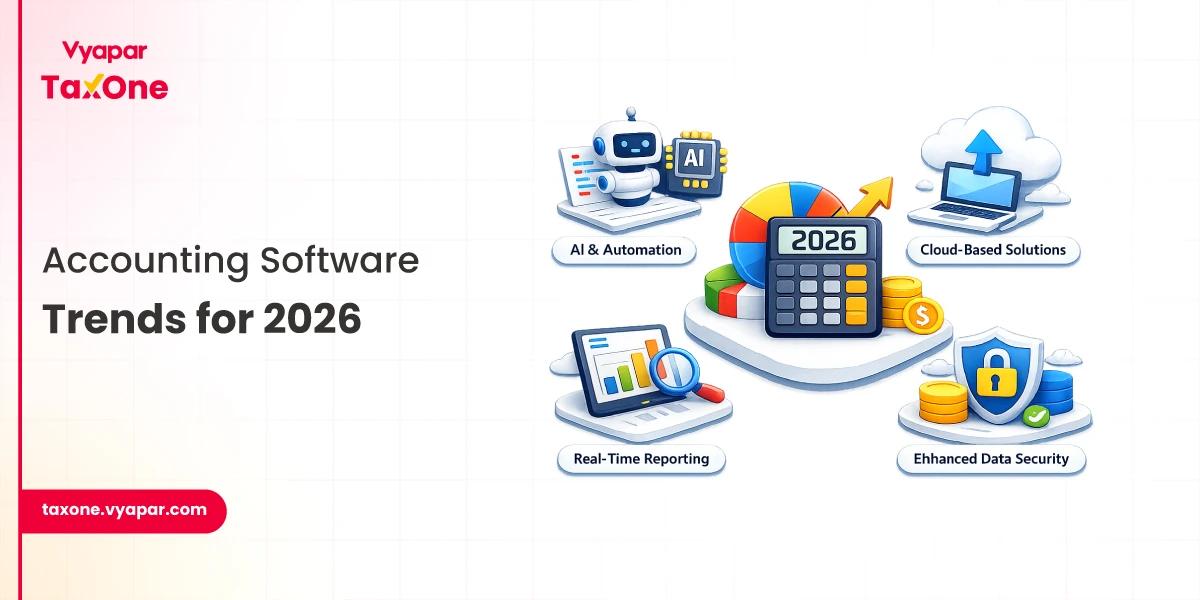
Accounting software has evolved far beyond basic bookkeeping. Today, it drives business strategy, compliance, and growth.
Modern solutions offer real-time insights, AI-powered automation, and seamless integration with finance ecosystems. For CFOs, accountants, and business owners, keeping up with trends isn't optional; it's important for efficiency, accuracy, and competitive advantage.
In this blog, we explore the latest Accounting Software Trends that businesses need to know in 2026 to stay competitive and efficient.
Accounting software is a digital tool designed to help businesses track finances, manage payroll, and generate financial reports efficiently. Understanding accounting software trends helps businesses choose the right tools that align with future needs.
Modern accounting software automates routine tasks such as:
By using accounting software, businesses can streamline financial operations, reduce manual work, and improve overall productivity.
1. Save Time and Reduce Costs
Accounting software automates repetitive financial tasks, freeing up time for businesses to focus on growth, strategy, and customer service. Automation also reduces administrative costs and minimizes human errors.
2. Improve Accuracy and Efficiency
Manual bookkeeping is prone to mistakes. Accounting software ensures accurate financial records and allows businesses to generate reports quickly for better decision-making. Real-time insights help monitor business performance effectively.
3. Ensure Tax Compliance
Accounting software helps businesses track income and expenses accurately. It simplifies tax reporting by generating the required financial statements and reports, ensuring businesses remain compliant with tax regulations and deadlines.
Accounting software is no longer just a convenience; it’s an essential tool for efficient, accurate, and compliant financial management.
Modern accounting software is rapidly evolving. Businesses must adapt to emerging technologies and changing finance practices to stay competitive. Here are the most impactful accounting software trends shaping the industry this year:
AI is transforming traditional accounting processes by automating repetitive tasks and improving accuracy.
Key developments include:
Businesses adopting AI-driven workflows see fewer errors, faster reporting, and higher team productivity.
Real-time access to financial data has become a baseline requirement. Features include:
Real-time intelligence helps businesses pivot quickly and reduces risk from outdated data.
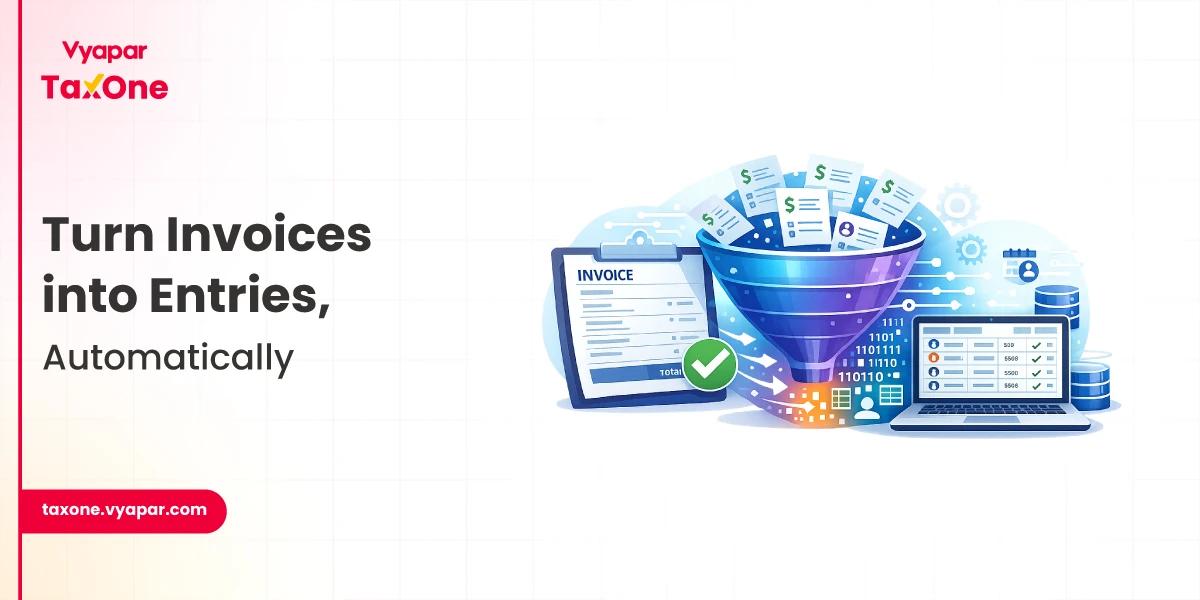
Automation is enabling accountants to focus on value-added services rather than manual tasks:
Advisory-focused accounting improves client retention and positions your team as a trusted partner.
Security and regulatory compliance are non-negotiable. Modern platforms include:
Businesses that prioritize security strengthen trust with clients and reduce compliance risks.
Integration is key for efficiency and data accuracy:
Flexible, connected systems minimize errors and improve cross-department collaboration.
Cloud-based solutions with mobile accessibility are no longer optional:
Mobile-first accounting empowers businesses with flexibility, speed, and operational resilience.
Software is focusing on intuitive design and teamwork:
User-friendly design increases adoption and reduces training time.
Next-gen accounting software leverages analytics for strategic decisions:
Analytics tools turn raw data into actionable insights that drive growth.
The modern accountant is a strategic advisor, not just a number-cruncher. Automation handles repetitive tasks for accountants, allowing them to focus on:
This shift demonstrates expertise in guiding clients while embracing AI and automation.
Accounting software trends in 2026 focus on AI-driven workflows, real-time insights, advisory services, and secure, integrated systems.
Businesses that adopt these technologies gain a strategic advantage, while professionals can focus on higher-value tasks that influence growth. Staying informed is no longer optional; it's the key to future-ready finance operations.
You can take a free 7-day trial of Tally automation software Vyapar TaxOne without needing to provide any credit card details.
The latest trends include the adoption of AI and machine learning, cloud-based accounting, automation, data analytics, mobile accounting, and enhanced cybersecurity features. These innovations are transforming how businesses manage finances.
AI helps automate repetitive tasks like data entry, invoice processing, and fraud detection. It can also generate financial forecasts, identify errors, and provide smart recommendations for better decision-making.
Cloud accounting is gaining popularity because it offers anytime, anywhere access, scalability, lower costs, and easy updates without needing heavy infrastructure.
Automation reduces manual work by handling tasks like invoicing, payroll, tax calculations, and report generation. This improves efficiency, accuracy, and saves time for businesses.
Data analytics provides real-time insights into financial performance, helping businesses track revenue, expenses, and profitability while enabling better strategic decisions.



Get started today and simplify your accounting process!