 Is Now Vyapar TaxOne | Same Trust, New Name!
 AI Weapon for Financial Soldiers


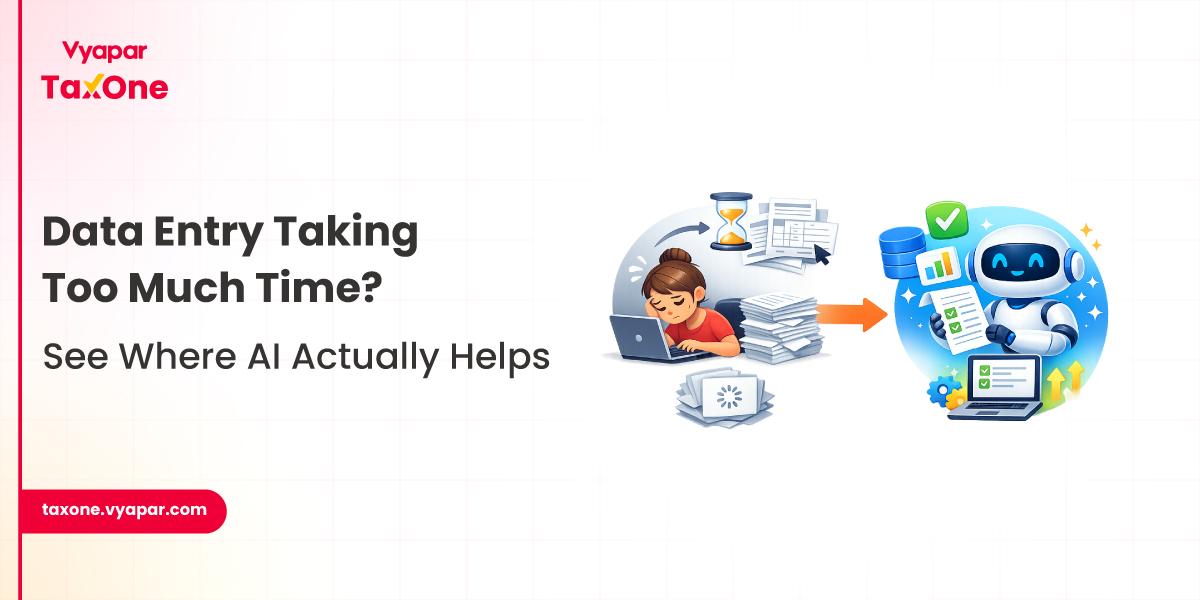
Month-end closing often becomes difficult when invoice volumes increase, GST reconciliation is pending, and teams are working across Tally exports, Excel sheets, vendor follow-ups, and compliance deadlines simultaneously.
We often see accounting teams spending more time preparing and validating data than completing the actual accounting work.
Purchase invoices need verification, GST details need matching, and reporting timelines leave little room for manual errors.
As invoice volumes increase and reconciliation timelines become tighter, many firms are using AI-assisted workflows to handle data extraction, GST validation, document processing, and transaction matching more consistently.
The goal is not to replace accountants.
The goal is to reduce time spent on manual tasks so teams can focus on review, compliance, reporting, and decision-making.
Most accountants do not need to understand how AI models are built.
What matters is where these technologies help reduce manual work and improve data quality.
| Technology | What Accountants Actually See |
|---|---|
| AI | Invoice reading, GST validations, ledger suggestions, anomaly detection |
| ML | Learns posting patterns, expense classifications, and recurring accounting behaviour |
| DL | Reads scanned documents, extracts information from different invoice formats, and identifies complex transaction patterns |
In practice, these technologies often work together.
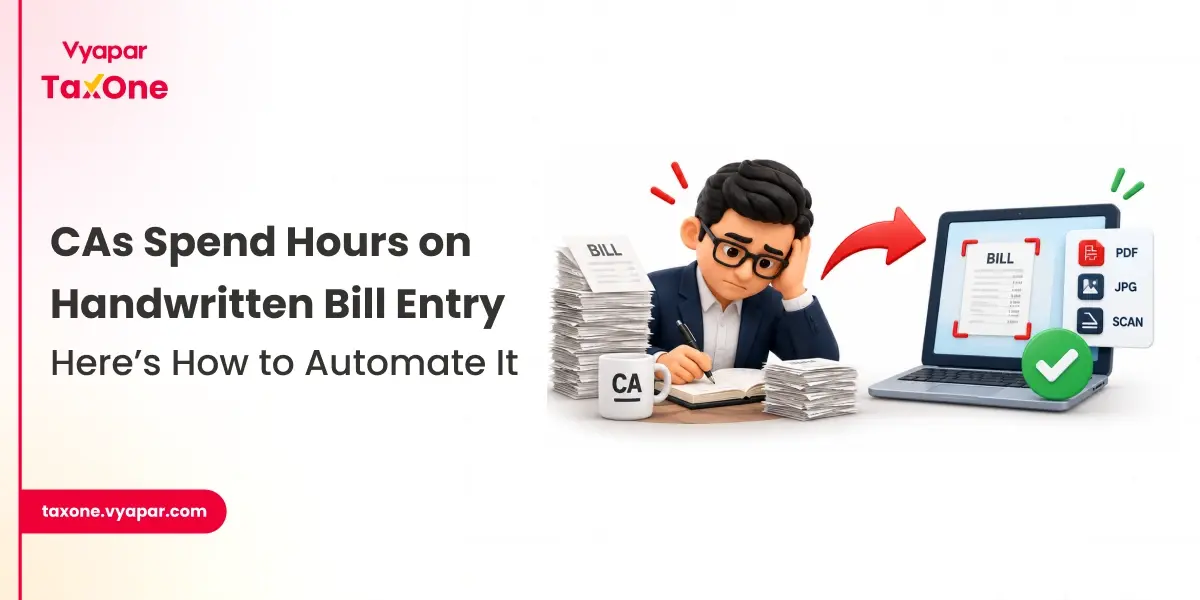
For example, when a purchase invoice is uploaded, AI may extract the data, Machine Learning may suggest the correct ledger based on previous entries, and Deep Learning may help interpret scanned or handwritten information.
The accountant still reviews the output, but significantly less time is spent on manual data entry and verification.
Most accounting departments are not struggling because GST calculations are difficult.
They are struggling because the supporting data is difficult to prepare.
We frequently see issues such as:
Most delays actually begin weeks before filing deadlines.
By the time GSTR-2B reconciliation starts, the underlying data issues have already accumulated.
This is where AI-assisted workflows can help reduce the effort required to prepare data for compliance and reporting.
We often see teams discovering these mismatches only when filing deadlines are approaching. Many firms are now adopting AI-powered GST reconciliation workflows to identify discrepancies earlier and reduce last-minute review pressure.
Even experienced accounting teams face recurring operational issues.
Invoice values in the purchase register may not match supplier filings.
The issue often becomes visible only during GSTR-2B reconciliation.
The same invoice may be entered multiple times across departments.
This creates reporting inconsistencies and reconciliation challenges.
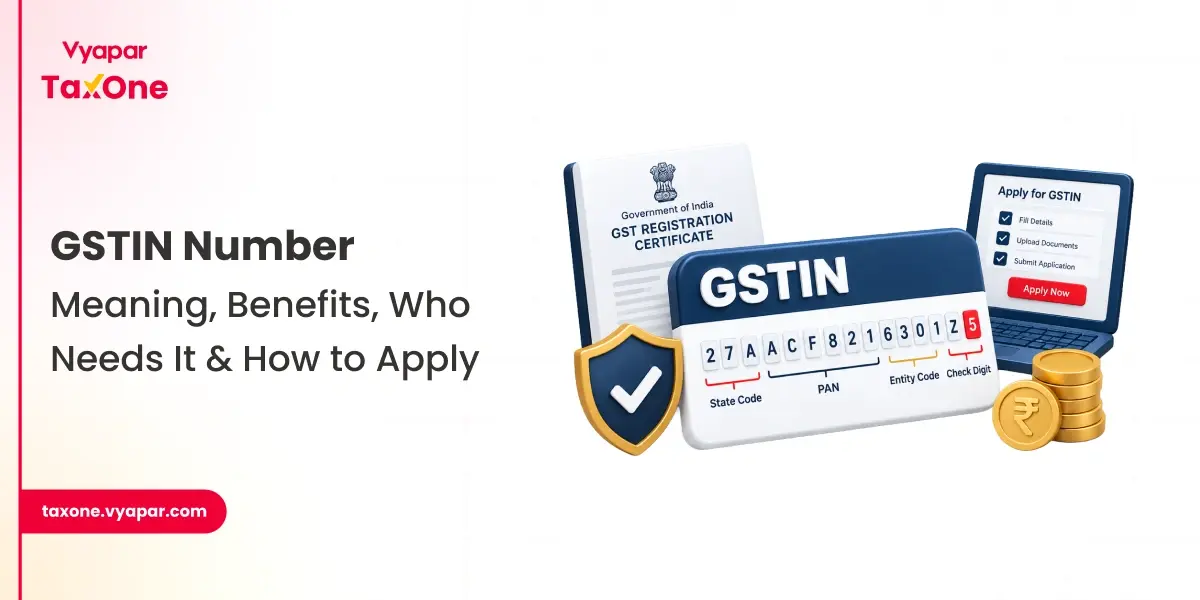
A single incorrect GSTIN can impact ITC claims and create unnecessary verification work later.
Invoices may be recorded in books, but supporting documents are unavailable during audits.
Manual matching between purchase registers and GSTR-2B becomes increasingly difficult as transaction volumes grow.
We often see teams discovering these issues only during filing periods when corrective action becomes more time-sensitive.
The accounting team maintained purchase records in Tally and received invoices from hundreds of suppliers every month.
Before reconciliation:
The challenge was not the GST calculation.
The challenge was preparing reliable source data.
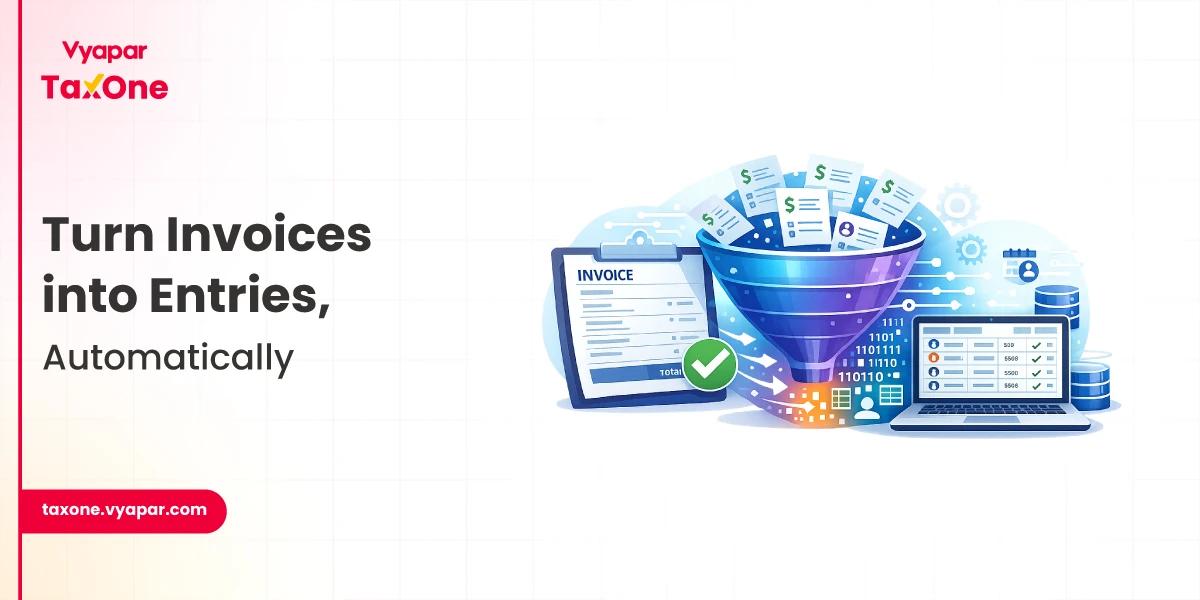
AI-based invoice extraction reduced the amount of manual review required and helped the team focus on exception handling rather than data entry.
We recently worked with a CA firm managing GST compliance for 73 clients across manufacturing, trading, and service sectors.
Every month, the team processed nearly 12,500 purchase invoices before GSTR-3B filing.
The challenge wasn't the GST calculation. The challenge was collecting invoices, validating GSTINs, checking tax amounts, and matching records against supplier filings.
Almost two full staff members were occupied with data preparation alone.
After introducing AI-assisted invoice extraction and validation workflows, the team spent significantly less time on data entry and more time investigating actual reconciliation exceptions.
| Accounting Activity | Traditional Method | AI-Assisted Method |
|---|---|---|
| Invoice Processing | Manual entry | Automatic data extraction |
| Expense Classification | Manual ledger selection | Pattern-based suggestions |
| GST Validation | Manual review | Automated validation checks |
| Reconciliation | Excel matching | Automated comparison workflows |
| Document Review | Manual verification | Intelligent document recognition |
| Fraud Monitoring | Sample checking | Continuous transaction analysis |
Invoices, bills, purchase documents, and supporting records are received from vendors.
AI identifies:
For many accounting teams, this stage is where the biggest time savings occur. Firms that begin by automating tax data entry with
AI often find it easier to standardise downstream reconciliation and reporting processes.
The extracted data is checked against predefined accounting and GST rules.
Transactions are compared with:
Accountants review only transactions that require attention.
Validated data is used for reconciliation, reporting, and GST filing activities.
At this stage, most accounting teams focus on reviewing exceptions rather than re-checking entire datasets. This shift usually becomes possible only when earlier steps like data extraction, validation, and matching are handled in a structured way.
We often see that when workflows are organised properly, month-end closing becomes less about fixing errors and more about reviewing identified mismatches and finalising compliance.
In structured accounting setups like Vyapar TaxOne, these steps are designed to flow in sequence so that reconciliation and reporting happen on already validated data, reducing last-minute corrections during GST filing cycles.
AI can assist with processing and validation.
However, human review remains essential.
Auditors and finance managers should still verify:
Accountants remain responsible for professional judgment.
Before adopting AI-assisted workflows, verify:
✅ Purchase invoices are digitally available
✅ Vendor GSTIN information is maintained correctly
✅ Tally records are updated regularly
✅ Reconciliation processes are documented
✅ Duplicate entry controls exist
✅ Supporting documents are centrally stored
✅ Exception review procedures are defined
✅ GST filing workflows are standardised
✅ Historical data quality is reasonably consistent
We often see successful implementations follow a practical approach.
Instead of automating everything immediately, they start with:
This approach allows teams to improve data quality gradually while maintaining control over compliance processes.
As transaction volumes increase, structured workflows become more important than simply adding more manual review.
We often see accounting teams spending most of their time not on GST filing or reporting, but on collecting invoices, correcting entries, matching GSTR-2B data, and resolving mismatches across Tally, Excel, and vendor records.
The challenge is rarely about understanding GST rules.
It is about managing fragmented data across multiple systems and ensuring everything is ready for reconciliation on time.
In many cases, entries in books are correct, but the supporting data required for GST validation, audit checks, and reconciliation is scattered or incomplete.
Vyapar TaxOne was built from close observation of how CA firms, accountants, and finance teams actually work every day. It is designed around real accounting workflows, especially invoice processing, GST reconciliation, data validation, and month-end reporting, where most time is usually lost.
Instead of treating accounting as isolated tasks, Vyapar TaxOne connects these workflows so that data moves in a structured way from entry to reconciliation to compliance.
If you want to see how structured accounting workflows work in practice, you can access GST and accounting workflow automation with Vyapar TaxOne.
In many cases, the accounting entry is correct, but supporting invoice data is incomplete, duplicated, or inconsistent with supplier filings.
No. AI helps process and validate information, but professional judgment, compliance decisions, audits, and reviews still require accountants.
Many organisations still receive invoices in multiple formats, requiring manual verification before data can be used for accounting and GST purposes.
AI can assist by comparing large volumes of transaction data, identifying mismatches, and highlighting exceptions that require review.
Yes. Managing multiple GSTINs often increases reconciliation workloads, making automated validation and data processing particularly valuable.

Get started today and simplify your accounting process!