 Is Now Vyapar TaxOne | Same Trust, New Name!
 AI Weapon for Financial Soldiers


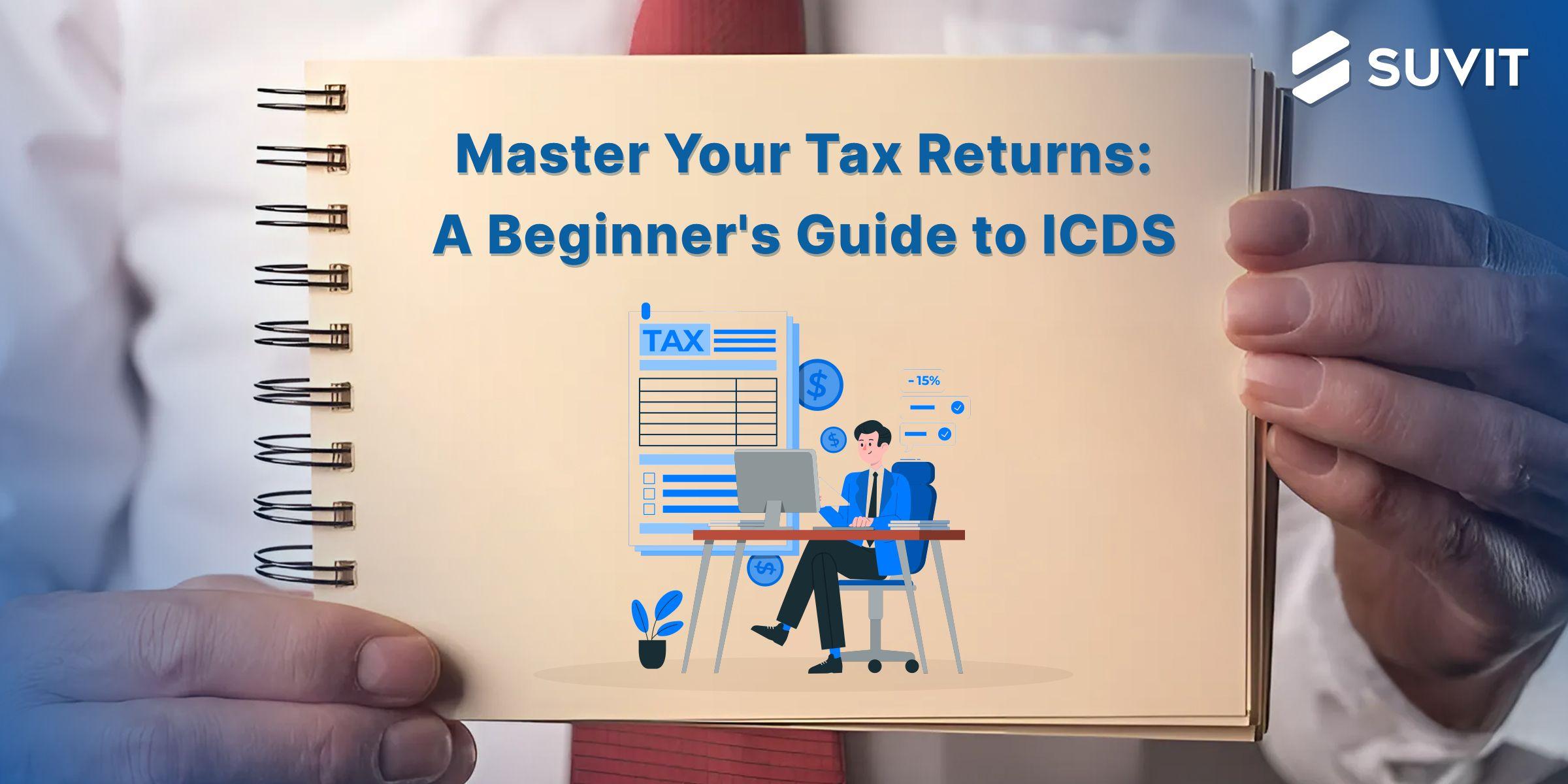
Have you ever felt lost when calculating your taxable income in India? You are not alone! The Income Tax Act allows for some flexibility in accounting practices, which can lead to confusion. Here's where the Income Computation and Disclosure Standards (ICDS) come in.
Consider ICDS a rulebook that ensures consistency and clarity in how businesses and individuals calculate their taxable income. Following these guidelines can help you achieve a smoother tax filing process, potentially reduce errors, and even unlock some tax-saving opportunities.
In this blog post, we'll demystify all ten ICDS by explaining their purpose and key points in simple terms. We'll also discuss the advantages of adhering to these standards and provide resources for further investigation. So, whether you're an experienced business owner or just getting started, this guide will help you navigate the world of ICDS and ensure accurate tax computation.
Purpose: This standard sets the ground rules for how businesses choose and disclose their accounting policies. These policies essentially define how you record and report your financial transactions.
Key Points:
Example: Company A uses the FIFO (First-In, First-Out) method for inventory valuation. ICDS I ensures they consistently use FIFO throughout the year and disclose this policy in their tax returns.
Purpose: This standard dictates how businesses should value their inventory for tax purposes. Inventory valuation directly impacts your cost of goods sold and ultimately your taxable income.
Key Points:
Example: A clothing store might use the WAC method to value its inventory. ICDS II ensures they consistently use WAC and value their stock at the lower of its purchase cost or the price it can be realistically sold for.
Purpose: This standard deals with how revenue and expenses are recognized in construction contracts. Revenue recognition can be a complex issue for long-term projects, and ICDS III provides clarity.
Key Points:
Example: A construction company building a bridge over two years might use the percentage of completion method. ICDS III ensures they recognize revenue and related expenses based on the percentage of work completed each year.
Purpose: This standard defines when a business can recognize revenue for tax purposes. Revenue recognition is crucial for accurately determining your taxable income.
Key Points:
Example: A software company delivers a custom software program to a client after development. ICDS IV dictates that they recognize revenue when the software is delivered and the client has accepted it, not when the development began.
Purpose: This standard governs how businesses account for tangible fixed assets, such as property, plant, and equipment, for tax purposes.
Key Points:
Example: A factory purchases new machinery. ICDS V ensures they record the cost of the machinery as a fixed asset and depreciate its value over its useful life for tax purposes.
Purpose: This standard deals with how to account for the impact of fluctuations in foreign currency exchange rates on your income. This is particularly relevant for businesses that conduct international transactions.
Key Points:
Example: An Indian company imports raw materials from a US supplier. ICDS VI ensures they translate the cost of these materials into rupees based on the current exchange rate and account for any currency fluctuations that might occur.
Purpose: This standard guides recognizing and accounting for government grants received by businesses. Grants can impact your taxable income, and ICDS VII clarifies the treatment.
Key Points:
Example: A company receives a government grant to promote research and development. ICDS VII helps determine if and when the grant amount should be recognized as income for tax purposes.
Purpose: This standard specifies the valuation methods for different types of securities held by a business, such as stocks, bonds, and mutual funds. Valuation of securities can affect your taxable income.
Key Points: Depending on the type of security, various valuation methods such as cost price, fair value, or lower cost or market value are available. Requires consistent application of the chosen valuation method.
Example: A company invests in a portfolio of stocks. ICDS VIII ensures they use a consistent valuation method, such as fair value, to determine the value of these stocks for tax purposes.
Purpose: This standard deals with the capitalization of borrowing costs incurred for qualifying assets. Borrowing costs represent the interest expense on loans taken to finance an asset.
Key Points: Allows capitalization of borrowing costs for qualifying assets under construction or development. Specifies the conditions under which borrowing costs can be capitalized.
Example: A company takes out a loan to build a new manufacturing plant. ICDS IX allows them to capitalize the interest expense on this loan during the construction period, adding it to the cost of the plant for tax purposes.
Purpose: This standard guides recognizing and accounting for provisions, contingent liabilities, and contingent assets. These can be uncertain events that might have a financial impact on the business.
Key Points:
Example: A company faces a potential lawsuit. ICDS X helps determine if and when a provision for legal costs needs to be recognized for tax purposes.
Now that we've explored all ten ICDS, here's a table summarizing their key points for easy reference:
| ICDS Number | Description |
|---|---|
| I: Accounting Policies | Sets rules for selecting and disclosing accounting policies. |
| II: Valuation of Inventories | Dictates methods for valuing business inventory. | | III: Construction Contracts | Defines how to recognize revenue and expenses in construction projects. | | IV: Revenue Recognition | Establishes when a business can recognize revenue for tax purposes. | | V: Tangible Fixed Assets | Governs accounting treatment of tangible fixed assets like property and equipment. | | VI: Foreign Exchange Rates | Deals with accounting for the impact of foreign exchange fluctuations. | | VII: Government Grants | Provides guidance on recognizing and accounting for government grants. | | VIII: Securities | Specifies valuation methods for different types of securities held by a business. | | IX: Borrowing Costs | Allows capitalization of borrowing costs for qualifying assets under construction. | | X: Provisions, Contingent Liabilities & Assets | Provides guidance on recognizing provisions, contingent liabilities, and contingent assets. |
Understanding and adhering to ICDS offers a multitude of advantages for both businesses and individual taxpayers:
Smoother Tax Audits: The following ICDS establishes a clear and consistent approach to income computation. This transparency can streamline the tax audit process, reducing the risk of inquiries or disputes with the tax department.
Reduced Errors: By adhering to standardized accounting practices, you minimize the chances of errors in your tax calculations. This not only saves you time and resources but also helps avoid potential penalties.
Potential Tax Savings: ICDS can sometimes lead to tax-saving opportunities. For instance, using the appropriate depreciation method for fixed assets can maximize your depreciation deductions. Consulting a tax professional can help you identify such opportunities based on your specific situation.
It's important to note that not everyone needs to follow ICDS.
Individual taxpayers who don't require a tax audit, Hindu Undivided Families (HUFs) in certain cases, and businesses below a specific turnover threshold might be exempt.
By adhering to the ICDS, you can ensure accurate tax calculations and navigate the tax filing process with greater confidence. Remember, consulting with a qualified tax professional is always recommended for personalized guidance on your unique tax situation.
The Income Computation and Disclosure Standards (ICDS) act as a rulebook for consistent and accurate tax calculations in India. By following these standards, you can ensure smoother tax audits, minimize errors, and potentially unlock tax savings.
While this blog provided a general overview of the ICDS, remember that tax matters can be complex. For personalized guidance on applying ICDS to your specific situation, consulting with a qualified tax professional is always recommended.


Get started today and simplify your accounting process!