 Is Now Vyapar TaxOne | Same Trust, New Name!
 AI Weapon for Financial Soldiers


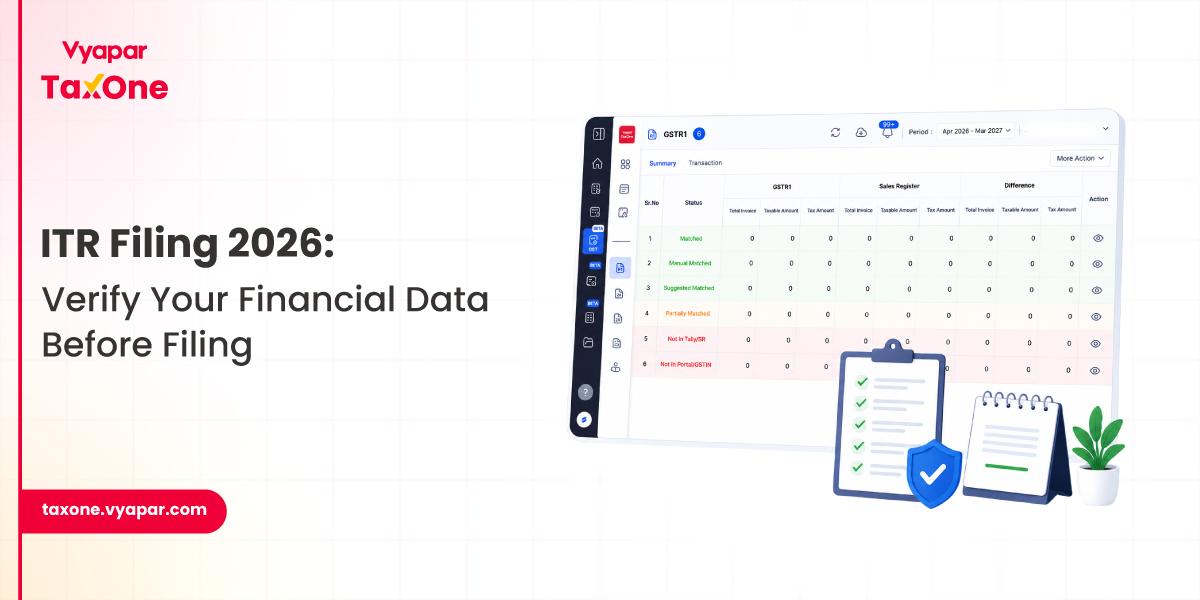
ITR filing for AY 2026-27 is no longer just about uploading Form 16 and clicking submit. With AIS (Annual Information Statement), TIS (Taxpayer Information Summary), bank interest tracking, stock transactions, GST-linked business data, and cross-verification by the Income Tax Department, even small mismatches can trigger notices, refund delays, or defective return warnings. Most taxpayers today are not struggling with filing the return. They are struggling with collecting scattered financial data from multiple places and verifying what is actually correct before filing.
Over the last few months, one thing has become very clear.
People are filing returns faster than ever. But they are also filing with more confusion than ever.
Someone downloads Form 16. Someone checks AIS. Someone gets confused between TDS in 26AS and AIS. Someone forgets savings account interest. Someone misses crypto or stock entries. Someone relies completely on prefilled data.
And then comes:
The problem is not that taxpayers do not want to file correctly.
The real problem is that financial data today lives everywhere.
Banks. Trading apps. Payment platforms. Accounting software. GST systems. Excel sheets. Emails. PDF statements.
And most people still try to manually connect everything while filing ITR.
That is exactly where errors begin.
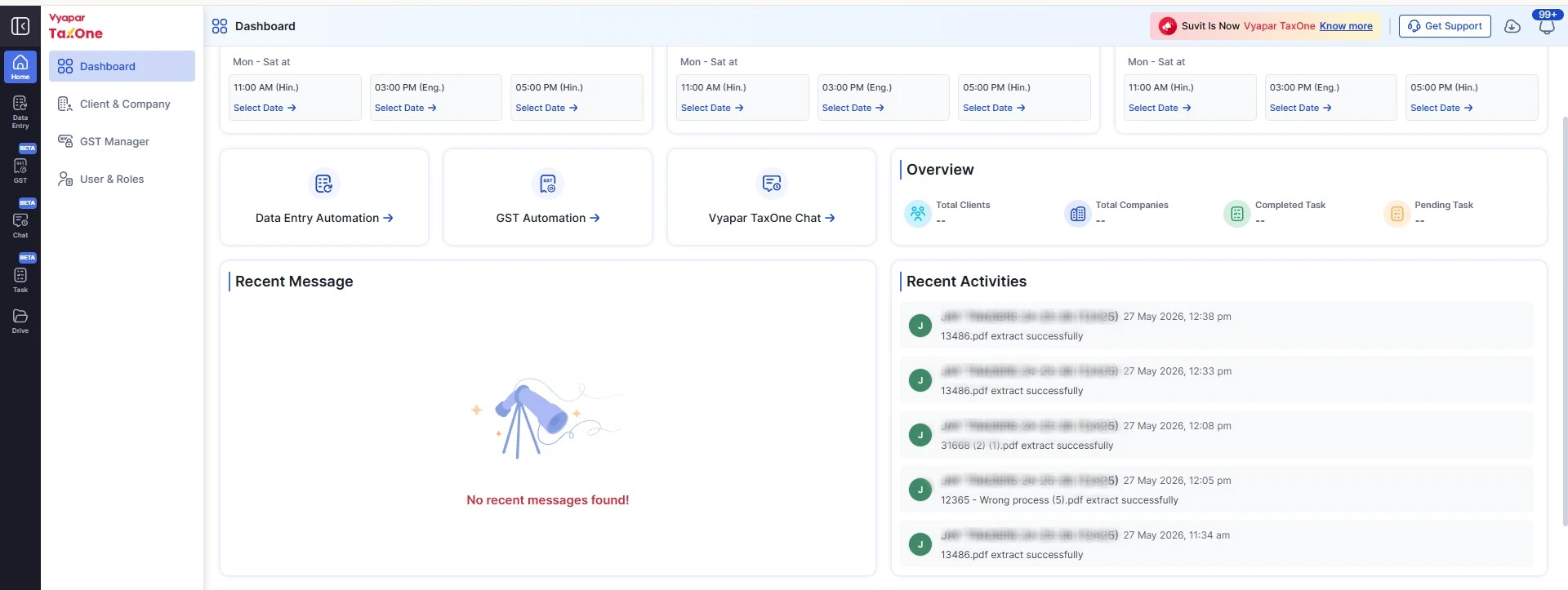
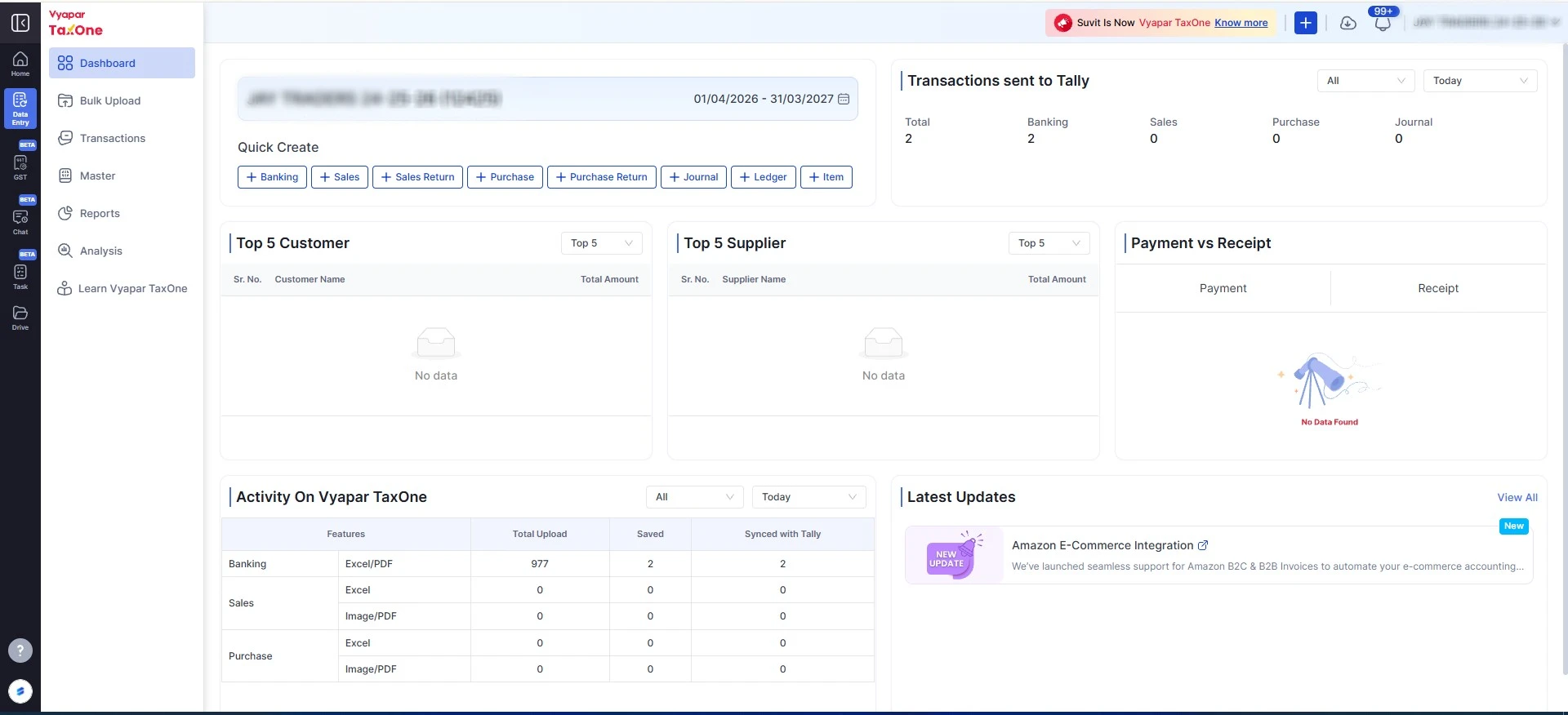
Here’s an example of how a centralized dashboard helps track all imports/extractions so nothing gets missed before filing.
Recently, many financial portals and tax experts started discussing one important issue:
Annual Information Statement (AIS) is helpful. But AIS is not always complete.
A lot of taxpayers believe: "If it is not showing in AIS, I do not need to report it."
That assumption can become expensive.
AIS may sometimes:
And if your actual income differs later during department verification, you may receive notices even after successful filing.
This is specially becoming common in:
The biggest mistake is not wrong calculation.
It is fragmented financial visibility.
This is an example of how data entry + activity tracking keeps preparation structured instead of last-minute guesswork.
What we are seeing across firms and businesses is that most taxpayers still do not have one clean place where they can: View income
So filing becomes guesswork.
And guesswork in taxation is dangerous.
Most blogs simply give a checklist. But verification matters more than collection.
Check:
Carefully compare:
Mismatch does not always mean your return is wrong. But ignoring mismatches is risky.
Specially verify:
Many employees realise mistakes only after filing.
This is where many notices originate.
Businesses often file:
But departments now cross-match everything.
This is the kind of GST compliance overview that makes mismatches visible before they turn into notices.
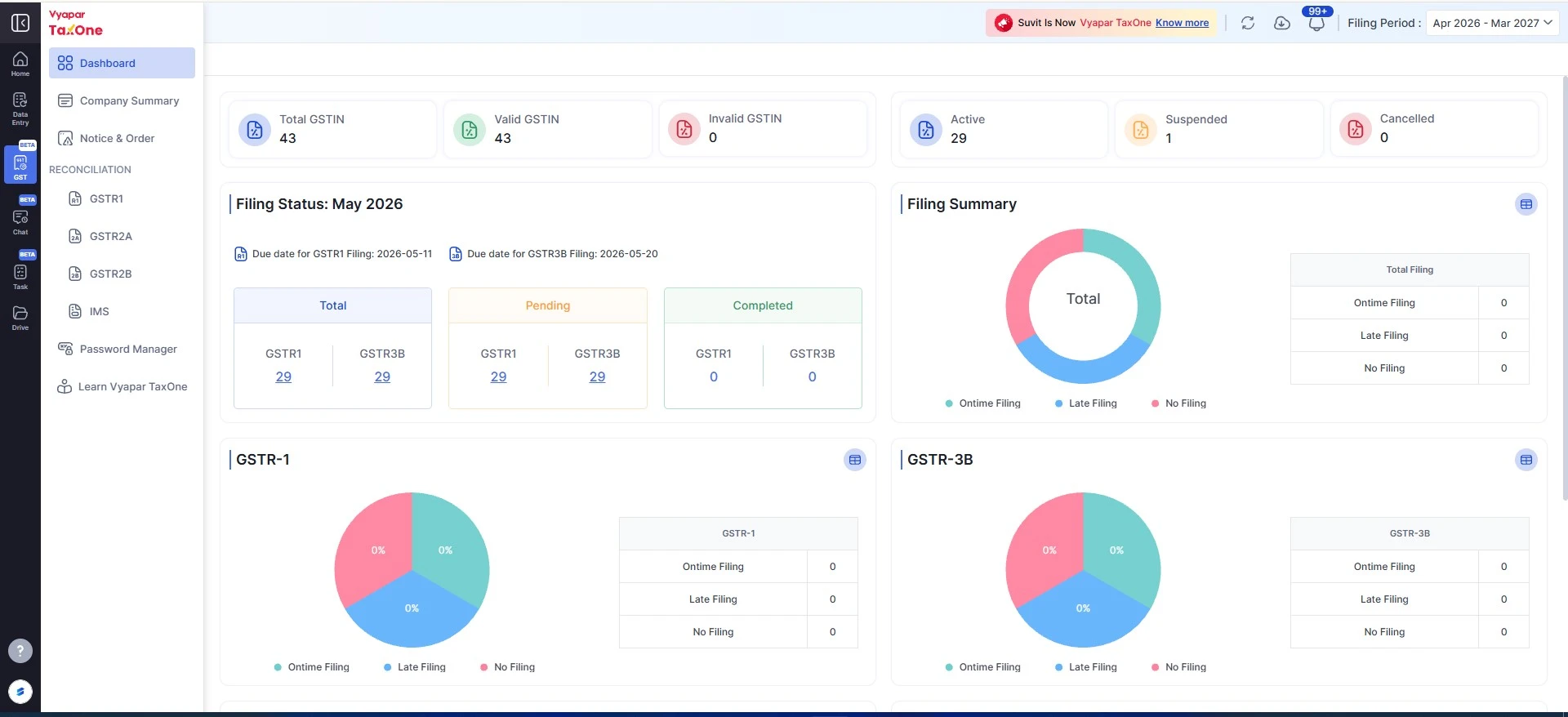
Even small revenue mismatches can trigger scrutiny.
Trading platforms generate reports differently.
You should verify:
One wrong classification can completely change tax treatment.
Earlier, people asked: "How do I file ITR?"
Now the real question is: "How do I ensure the data is correct before filing?"
That shift is important.
Because filing is becoming more about validation than form filling.
And this is exactly why accounting automation and connected financial systems are becoming critical for both taxpayers and tax professionals.
While working closely with accounting teams and CA firms, we have noticed that most filing delays are not caused by return filing itself, it happen because of:
The filing itself may take 15 minutes.
The preparation takes days.
We have always believed that the biggest filing challenge starts much before the return is uploaded.
The real operational challenge was always: "How do you connect financial data correctly before filing begins?"
That is why Vyapar TaxOne focuses heavily on connected accounting and tax workflows instead of isolated filing activities.
Instead of jumping between multiple systems, teams can manage:
from a more connected environment.
Because in modern taxation, accuracy comes from connected systems, not from manual checking at midnight before the deadline.
One thing this filing season is making very clear is that ITR filing is no longer just a tax activity.
It has become a financial data management challenge.
The firms and businesses handling filing smoothly are usually the ones that already have:
Because when financial data stays connected throughout the year, filing season becomes significantly less stressful.
And that is exactly why more businesses and CA firms are now focusing on connected accounting and tax workflows instead of managing filing through scattered systems and last-minute reconciliation.
Yes. AIS may sometimes contain delayed, duplicate, or incomplete information. Taxpayers should always verify AIS data with actual financial records before filing.
Yes. If your filed return differs significantly from department records or later updated data, it may lead to notices or refund delays.
No. Form 26AS is important but should also be matched with AIS, bank statements, capital gain reports, and accounting records.
The Income Tax Department increasingly cross-verifies GST turnover, TDS data, and accounting records. Even small inconsistencies can trigger scrutiny.
The biggest mistake is filing returns using incomplete or scattered financial data from multiple systems without proper reconciliation.


Get started today and simplify your accounting process!