 Is Now Vyapar TaxOne | Same Trust, New Name!
 AI Weapon for Financial Soldiers


Artificial Intelligence (AI) is quickly reshaping the accounting sector in India. For Chartered Accountants (CAs), it offers tools to enhance efficiency and service quality. However, lasting myths often hold firms back from fully adopting AI. Let us separate fact from fiction and explore how CAs can use AI to their advantage.
Despite AI’s growing presence, many misconceptions persist within the profession:
Myth 1: AI will replace Chartered Accountants.
The fear of redundancy often overshadows AI’s reality; automation is for processes, not professional judgment.
Myth 2: AI is too costly for small practices.
This stems from early, enterprise-level AI solutions. Today, scalable AI tools fit the budgets of firms of every size.
Myth 3: AI is unreliable or prone to errors.
In truth, AI improves accuracy when paired with proper oversight.
Myth 4: AI removes the need for human expertise.
AI lacks contextual understanding and ethical judgment, traits essential to accounting.
Myth 5: AI is for large corporations only.
Cloud-based accounting AI platforms have made the technology accessible to solo practitioners and SMEs.
Instead of replacing CAs, AI is shaping them into digital-era advisors:
Augmenting Expertise, Not Replacing It
AI automates reconciliations, invoice matching, and report generation, letting CAs focus on consulting, tax planning, and strategy.
Budget-Friendly & Scalable
Subscription-based AI tools, such as automated bookkeeping apps, document-scanning OCR systems, and AI-enhanced ERP modules, enable gradual adoption.
Data-Driven Insights
Predictive analytics from AI can forecast cash flows, detect patterns in expenses, and provide early warnings for potential financial issues.
Compliance & Cybersecurity
Reputable AI tools comply with Indian accounting standards, GDPR-like data laws, and offer encryption, access controls, and audit trails.
Balance Between Tech & Judgment
AI delivers data; CAs interpret it using industry context, client history, and professional skepticism.
AI’s capabilities extend far beyond basic automation:
Understanding the evolving compliance landscape is critical:
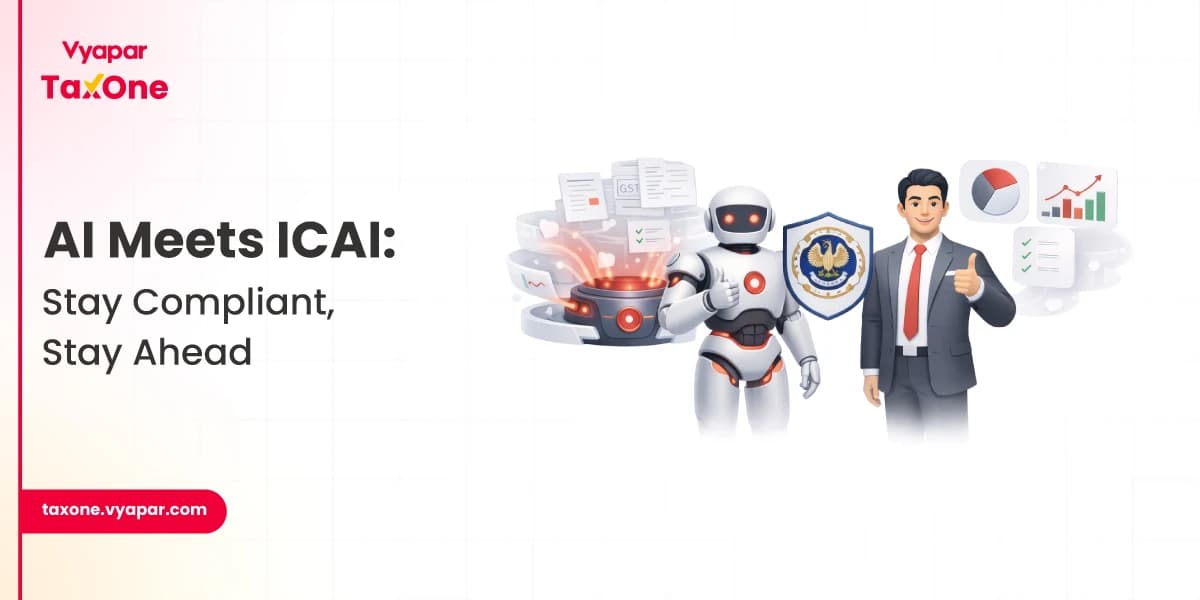
ICAI encourages tech adoption but insists on adherence to ethical standards, confidentiality, and transparency in AI-assisted work.
Firms must implement consent protocols, secure servers, and encryption to comply with India’s Digital Personal Data Protection Act (DPDPA) 2023.
AI-assisted audits must still meet SA standards issued by ICAI, ensuring that ultimate responsibility lies with the auditor.
The RBI and SEBI are exploring AI governance in the BFSI sector, a key area where many accounting clients operate.
Adopted AI-assisted auditing software; audit hours reduced by 30%, enabling reallocation of staff to advisory projects.
Used AI-based GST reconciliation tools; identified and rectified mismatches worth ₹50 lakhs across multiple clients within a single quarter.
Leveraged AI-powered dashboards for real-time cash flow analysis for overseas clients, strengthening global competitiveness.
To maximize AI’s potential without compromising compliance:
Start with areas causing most delays, such as reconciliation and tax compliance, and choose AI that integrates with current systems.
Conduct workshops for teams to understand both the functions and the limits of AI tools.
Begin with low-risk, high-reward tasks; scale to complex analytics as confidence grows.
Tailor AI solutions to your firm’s specialties, audit, taxation, corporate law advisory, etc.
Ensure technology aids the process but does not compromise client confidentiality or professional integrity.
AI in accounting is no longer optional; it’s a strategic necessity. By replacing myths with informed action, Indian Chartered Accountants can harness AI to enhance efficiency, compliance, and client trust. The future of the profession belongs to those who blend technology with professional judgment.

Get started today and simplify your accounting process!