 Is Now Vyapar TaxOne | Same Trust, New Name!
 AI Weapon for Financial Soldiers


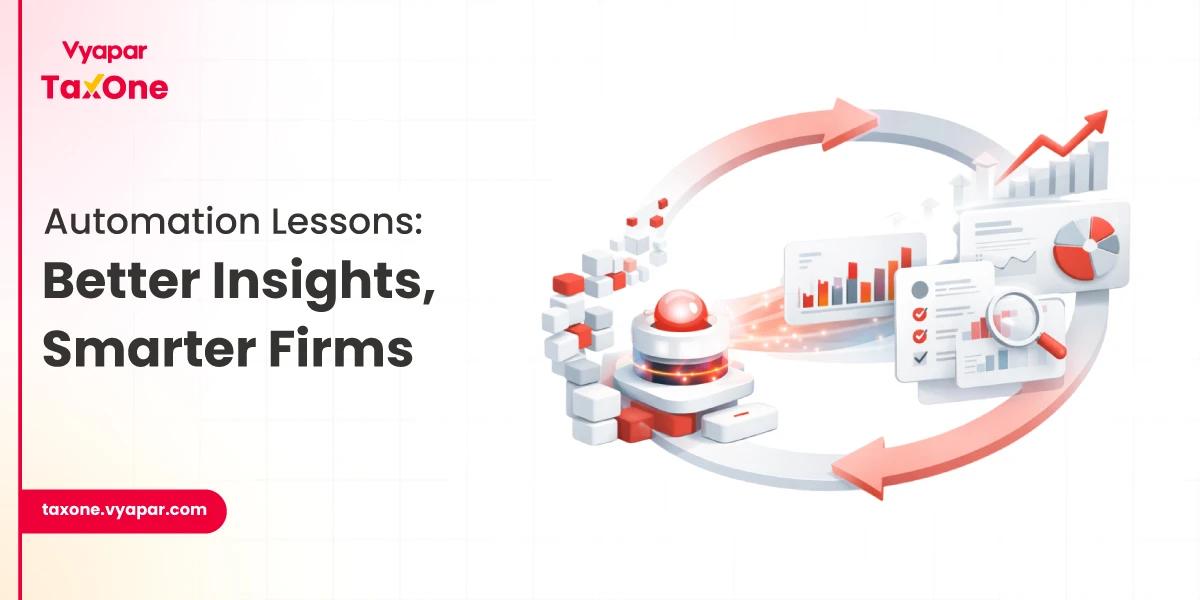
Chartered Accountants in India grapple with escalating demands from GST compliance, TDS filings, income tax returns, and the latest regulatory shifts under the Income Tax Bill 2025.
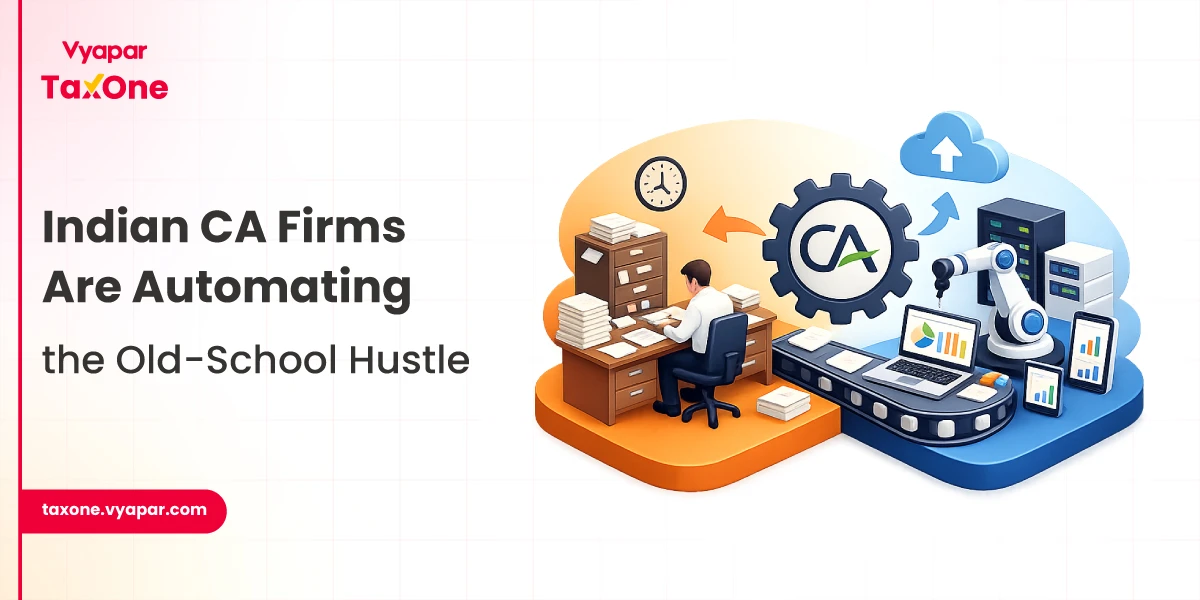
Automation in CA firms is emerging as a game-changer, slashing manual workloads and enabling a focus on strategic advisory roles.
Vyapar TaxOne(Formerly Suvit) delivers purpose-built solutions to address these challenges, empowering tax professionals with seamless GST reconciliation, automated accounting, and real-time reporting tools.
The Indian tax landscape demands agility amid faceless assessments, AI-driven GST scrutiny, and rising client expectations for instant insights.
Traditional manual processes lead to errors, delays, and burnout, with many firms spending 60-80% of their time on repetitive tasks such as data entry and reconciliations.
Automation trends in Indian accounting firms indicate that AI-powered platforms are transforming operations. These tools handle bulk ITR processing, anomaly detection, and predictive compliance forecasting, aligning with 2025's no-touch tax returns vision.
Early adopters of solutions like Vyapar TaxOne report significant efficiency gains, positioning their practices for scalable growth in a competitive market.
Key drivers include:
Implementing automation in CA firms isn't without hurdles. Indian professionals often encounter unique barriers tied to legacy systems and cultural shifts.
Staff trained in manual Excel-based workflows fear job displacement from automation tools handling invoicing, filings, and audits. This resistance stems from a lack of familiarity with AI features like automated data categorization.
To counter this:
Without addressing mindset barriers, adoption rates get low, delaying ROI.
Legacy desktop software conflicts with cloud-based automation, causing data silos during GST and ITR migrations. Phased implementations reveal mismatches in formats, risking compliance penalties under faceless regimes.
Common pitfalls include incomplete data mapping and downtime during peak seasons. Integrated platforms like Vyapar TaxOne mitigate this with API connectors.
India's stringent data localization laws and rising cyber threats amplify risks. Automation must ensure audit trails for CBDT scrutiny while protecting client PII(Personally Identifiable Information).
Firms overlook vendor compliance certifications, leading to integration halts. Prioritizing ISO 27001-compliant tools is non-negotiable.
Transform challenges into opportunities with these proven, step-by-step tactics tailored for Indian CA practices. Expanding this section provides deeper guidance to ensure a smooth adoption of automation.
Opt for India-centric, scalable platforms that cover GST, TDS, ITR, audits, and client management.
Evaluate tools based on local compliance features, such as GSTR-1/3B auto-filing and TDS quarterly challan generation. Conduct a 30-day trial to test API connectivity with existing ERPs such as Tally, ensuring no data loss during the switchover.
Define clear KPIs from day one to quantify success and justify investments.
Track metrics such as time per client (target: 40% reduction), error incidence (aim for < 1%), compliance turnaround time (under 24 hours), and client NPS score (above 80).
Conduct quarterly reviews to reallocate resources, scale high-ROI modules like GST automation first, while deprioritizing underperformers.
Engage stakeholders early for sustained adoption. Roll out client-facing apps for self-service document uploads, query tracking, and real-time tax status updates, reducing inbound calls by 65%.
Internally, gamify the process with leaderboards rewarding top automators and milestone bonuses for team-wide targets.
Host monthly feedback huddles to address pain points, such as customizing dashboards for MSME clients.
Integrate WhatsApp via Vyapar TaxOne to deliver documents instantly, enhancing client satisfaction amid rising demand for 24/7 access.
Create a 6-12 month implementation plan:
Month 1-2: Tool selection and pilot testing. Month 3-4: Full team training and data migration. Month 5-6: Go-live with monitoring. Ongoing: Continuous optimization and feature updates.
Partner with certified consultants for hands-on support, avoiding common pitfalls like over-customization that inflates costs by 30%.
Automation in accounting firms in India evolves roles from compliance clerks to strategic partners. Talent sticks around for innovative environments.
Future-proofing involves hybrid AI-human workflows, predictive risk modeling, and global expansion via cloud scalability.
CA firms often face staff resistance, integration issues with legacy systems, and compliance risks under GST and other regulations. Starting small with tools like Vyapar TaxOne helps overcome these hurdles effectively.
Vyapar TaxOne provides GST automation, accounting automation, and client dashboards designed specifically for Indian CA firms.
Invest in hands-on workshops, ICAI certifications, and mentorship programs focusing on AI analytics. This improves adoption and helps staff transition toward strategic consulting roles.


Get started today and simplify your accounting process!