 Is Now Vyapar TaxOne | Same Trust, New Name!
 AI Weapon for Financial Soldiers


As artificial intelligence continues to reshape industries globally, the accounting profession in India stands at a critical juncture.
The rise of AI-driven tools presents both challenges and opportunities for Chartered Accountants.
This blog explores how AI is transforming the accounting world and provides actionable insights on preparing the next generation of CAs for this AI-driven future.
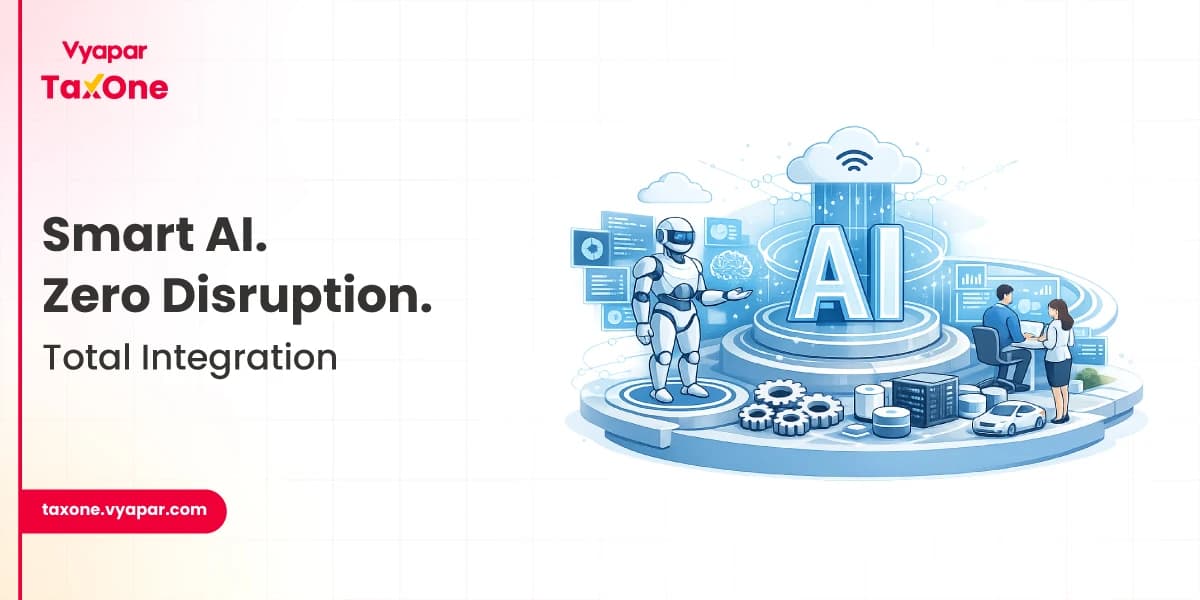
AI refers to technologies that allow machines to mimic human intelligence and perform tasks that traditionally required human intervention. In the accounting profession, AI plays a crucial role in automating repetitive tasks, providing advanced analytics, and enhancing decision-making processes.
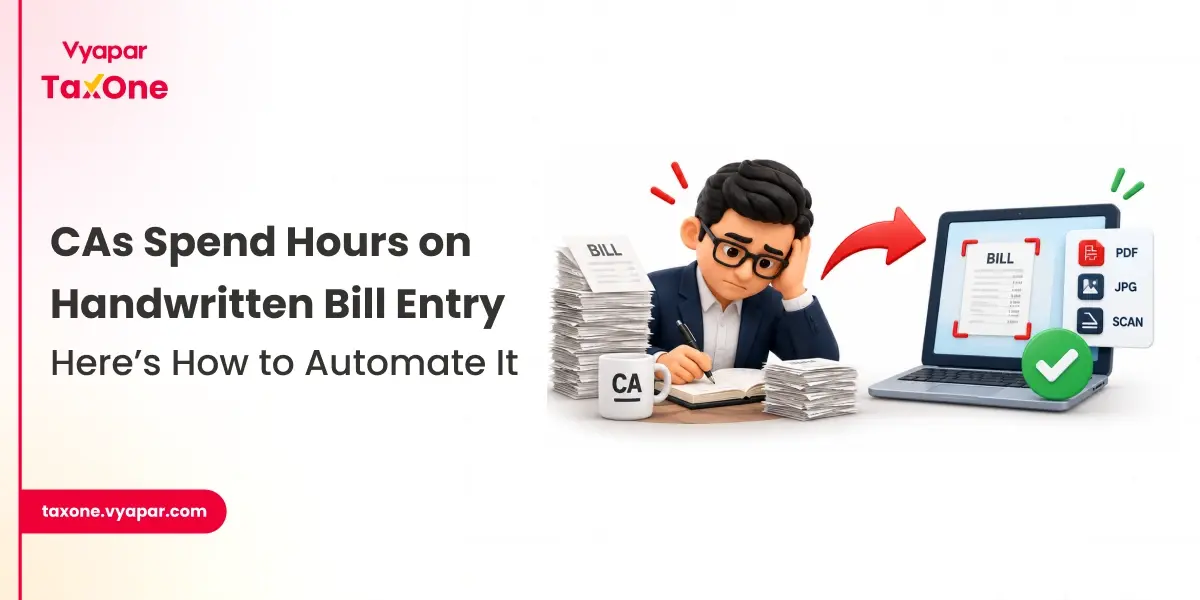
1. Automated Bookkeeping and Data Entry AI reduces the need for manual bookkeeping by automating data entry and transaction categorisation, improving efficiency and minimising errors.
2. Predictive Analytics for Financial Forecasting AI tools can analyse large datasets to identify trends, offering more accurate financial predictions and better decision-making for businesses.
3. Fraud Detection and Risk Management By continuously scanning transactions, AI can detect unusual patterns and flag potential fraud, significantly improving risk management practices.
4. Intelligent Audit Tools AI-powered audit tools can analyse vast amounts of financial data, helping auditors identify discrepancies and perform audits more efficiently.
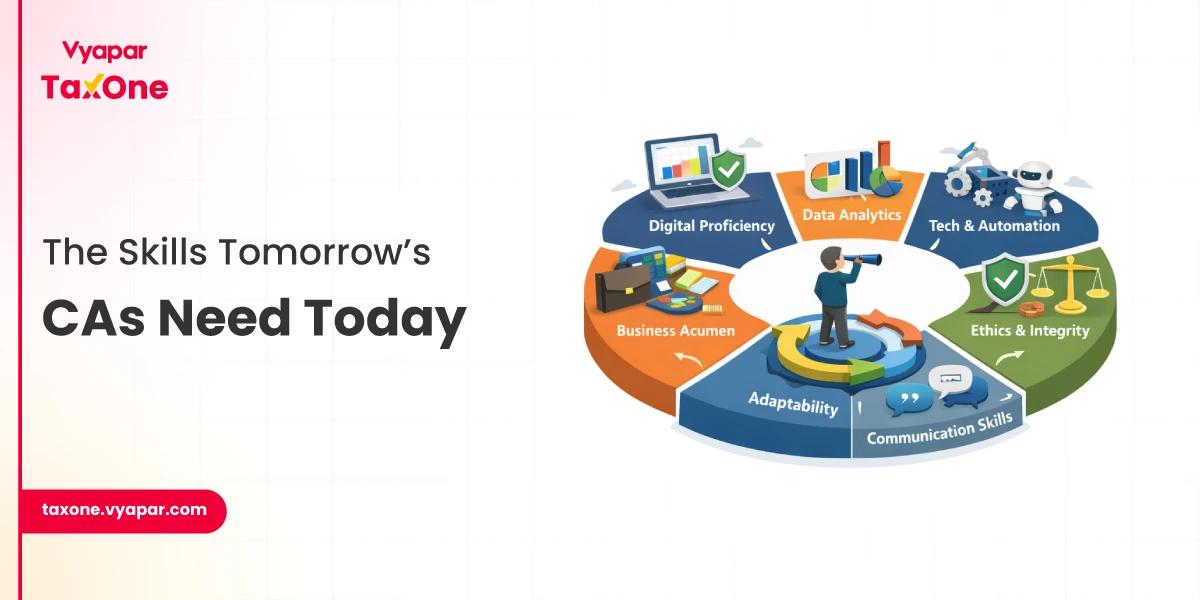
To thrive in an AI-driven accounting landscape, CAs must acquire both technical and strategic skills. Below is a list of essential skills for the modern CA:
| Skill Area | Importance | Example |
|---|---|---|
| Data Analytics | Interpreting large data sets and deriving insights | Analyzing sales trends for financial forecasting |
| AI Tool Proficiency | Using AI-powered accounting software | Familiarity with tools like Vyapar TaxOne |
| Strategic Advisory | Shifting from transactional roles to advisory | Providing AI-driven business insights to clients |
| Cybersecurity and Data Ethics | Ensuring secure handling of client data | Maintaining privacy in AI-enabled systems |
Incorporating AI and Data Science into CA Education
AI and data science should be integrated into accounting curricula to prepare the next generation of CAs for the digital age. Universities and CA institutions must:
Industry-Academia Collaboration
Collaboration between accounting firms, tech companies, and educational institutions can help bridge the skills gap. Through:
As AI technology evolves rapidly, CAs should prioritise continuous learning. Certification programs in AI for accountants and data analytics can help professionals stay updated.
Practical Internships in Tech-Enabled Firms
Internships in AI-driven firms provide CAs with real-world experience using automated accounting tools. This hands-on exposure is essential for applying theoretical knowledge in practical settings.
Case Studies and Applied Research
Case studies offer valuable insights into how AI impacts accounting. Researching trends like AI in audit or AI-based tax automation can help CAs stay ahead of industry changes.
Compliance in an AI Landscape
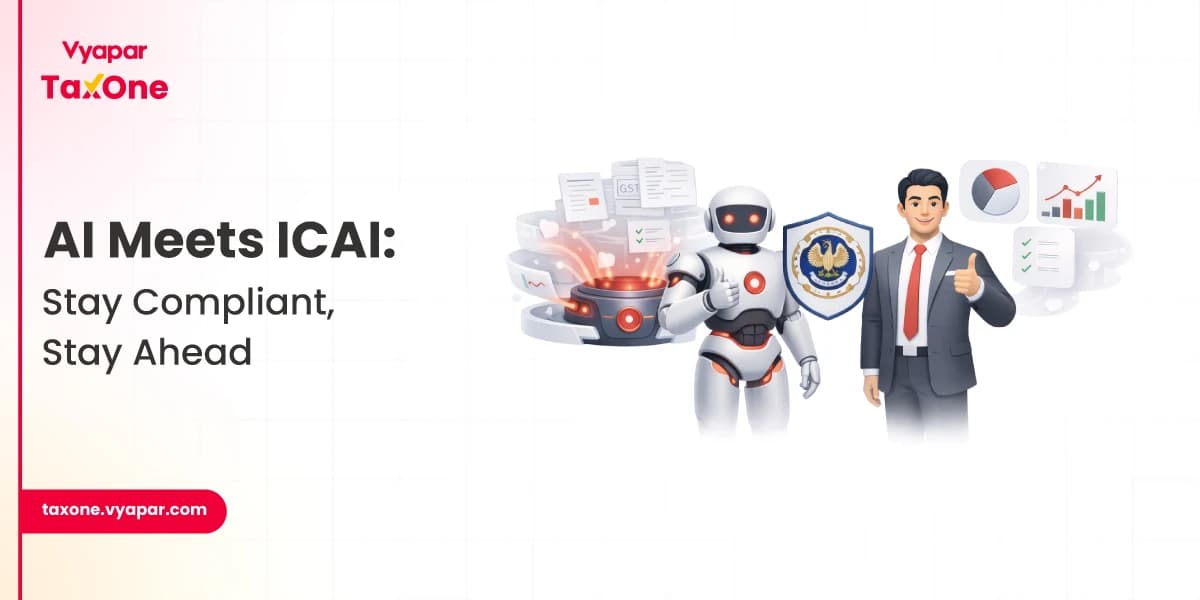
AI-driven accounting processes must comply with existing regulatory frameworks, including ICAI guidelines. CAs must stay informed about new laws and policies for AI implementation in accounting.
Ethical Use of AI
As AI becomes more integrated into accounting, it's essential to ensure its ethical use:
Data Governance and Security
With AI processing sensitive financial data, cybersecurity becomes crucial. CAs should adopt best practices for data governance and cybersecurity to protect their clients' information.
Leaders must champion AI adoption within accounting firms. This involves:
Firms must prioritise upskilling their teams. This can be done through:
To evaluate the success of AI adoption, firms should establish Key Performance Indicators (KPIs), such as:
Emerging AI Trends in Accounting
As AI continues to advance, new applications will emerge, such as:
The Evolving Role of CAs
The future of CAs lies in becoming strategic business advisors who leverage AI to provide valuable insights and enhance client decision-making.
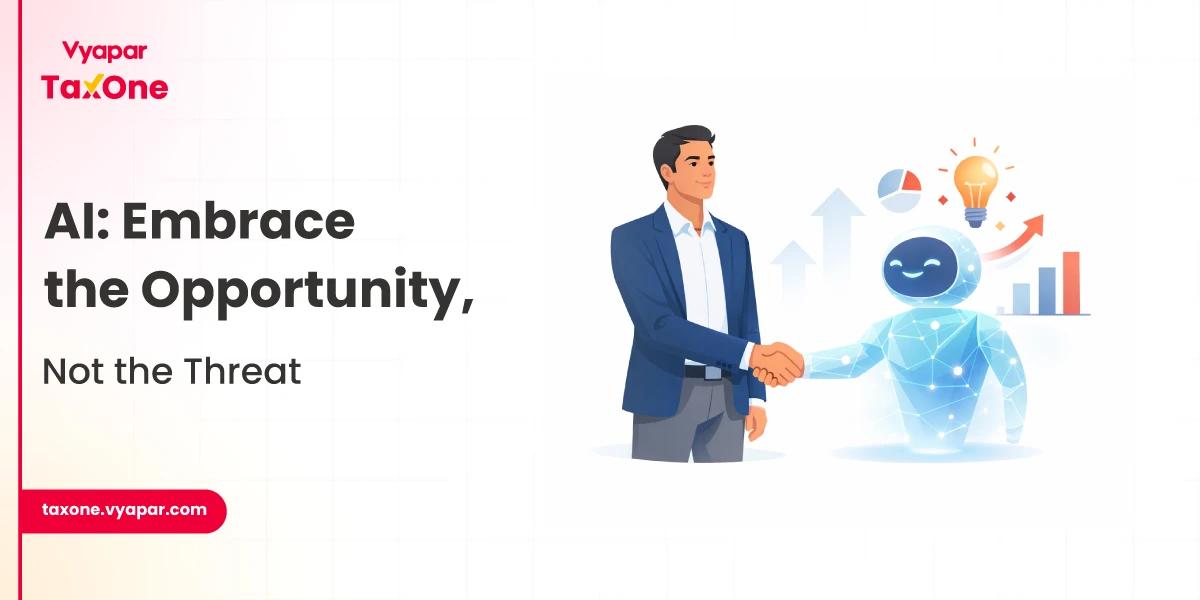
The next generation of CAs in India must be prepared to navigate an AI-driven world. By embracing new technologies, upskilling with AI tools, and maintaining high ethical standards, CAs can remain relevant and lead the charge in transforming the accounting profession.
For CAs looking to get ahead in this AI-driven world, Vyapar TaxOne is an excellent tool to start with. This platform simplifies tax filing, financial reporting, and accounting automation, helping CAs in India streamline their operations and improve accuracy. Its integration with AI makes it the perfect solution for accounting professionals seeking efficiency, scalability, and regulatory compliance in their practice.
To experience the power of AI in accounting, try Vyapar Taxone for free for a week.
By adopting AI tools such as Vyapar TaxOne, CAs can optimize their workflows, deliver greater value to clients, and stay ahead in a fast-evolving digital landscape.
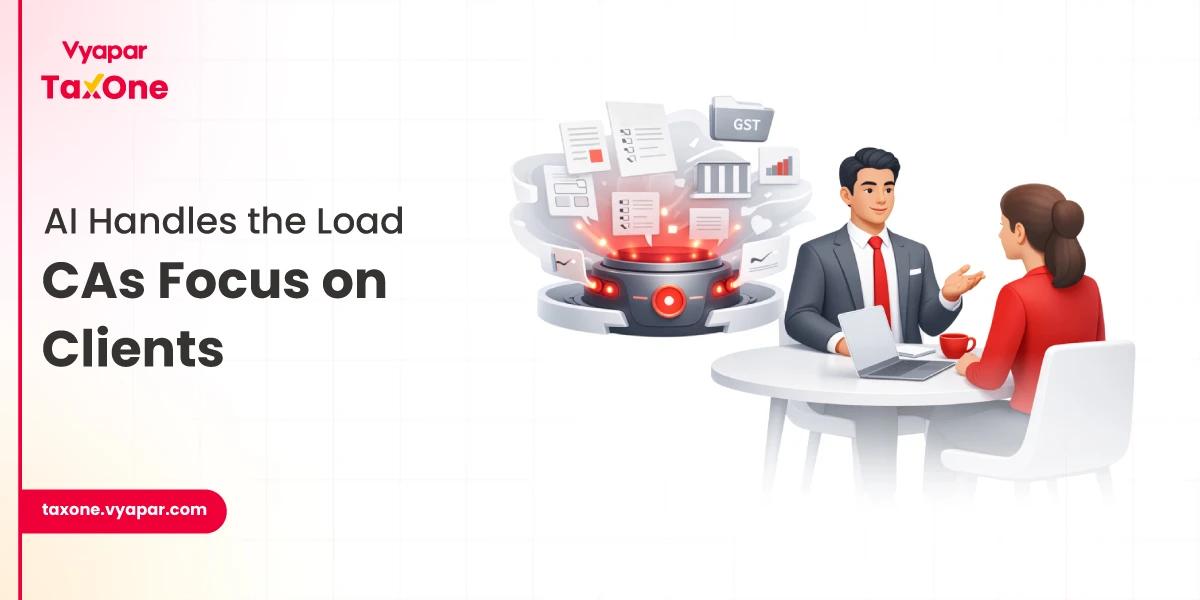
AI will automate routine tasks, allowing CAs to focus on more strategic roles, such as business advisory, financial forecasting, and risk management.
Future CAs should focus on mastering AI tools, data analytics, strategic advisory skills, and ethical judgment in AI-based decision-making.
AI can automate bookkeeping, enhance fraud detection, optimize financial forecasting, and streamline tax filing, improving efficiency and accuracy.
Vyapar TaxOne is an AI-powered platform that automates tax filing and accounting, helping CAs improve accuracy, save time, and stay compliant with regulatory requirements.

Get started today and simplify your accounting process!