 Is Now Vyapar TaxOne | Same Trust, New Name!
 AI Weapon for Financial Soldiers
Vyapar TaxOne



The world of accounting is growing rapidly, and the integration of new technologies is at the fore of this transformation.
As businesses in India increasingly rely on digital tools to streamline operations, the role of Chartered Accountants (CAs) is expanding beyond traditional accounting methods.
Big Data is one such technology that’s reshaping the industry.
Big Data is a game-changer, offering accountants the ability to analyze vast amounts of data and derive actionable insights.
For Indian CAs, embracing Big Data tools is not just a trend; it’s a competitive necessity.
In this blog, we’ll explore how Big Data is reshaping accounting practices in India and why Indian CAs need to harness its power to stay ahead.
Big Data in accounting refers to the vast, ever-growing volume of structured and unstructured data that organizations collect and analyze.
It covers everything from financial transactions and market trends to client behavior. By leveraging Big Data, accountants can process large datasets, identify patterns, and make more informed decisions.
Big Data has four main characteristics, often referred to as the "Four Vs":
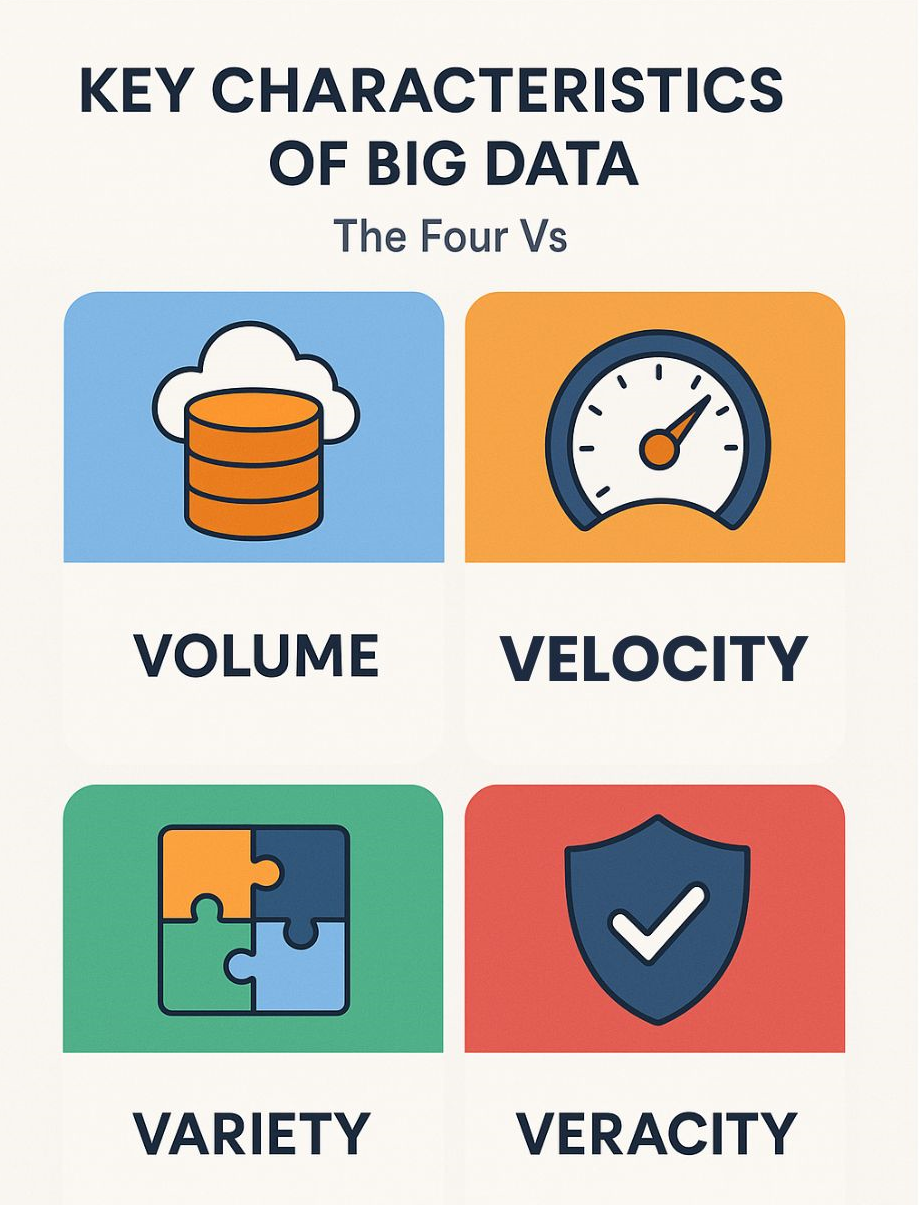
In the world of accounting, Big Data can come in various forms:
Leveraging Big Data provides numerous advantages for Indian CAs. Below are some key benefits:
Big Data enables accountants to make data-driven decisions by uncovering hidden trends and correlations that were previously overlooked.
Whether it's optimizing tax strategies or analyzing business performance, Big Data offers valuable insights that enhance decision-making.
By analyzing vast amounts of historical data and real-time market conditions, CAs can more accurately predict financial trends.
This allows them to provide clients with proactive strategies, such as predicting cash flow fluctuations and identifying profitable investment opportunities.
Big Data helps identify potential risks early. By examining historical data and financial patterns, CAs can detect operational risks, market risks, or even fraud.
Predictive analytics empowers accountants to offer solutions to mitigate these risks, thus protecting their clients from financial losses.
Big Data tools can automate routine financial reports, such as balance sheets, tax reports, and income statements.
This automation saves time and reduces the potential for human error, allowing CAs to focus on more critical tasks that add value to their clients.
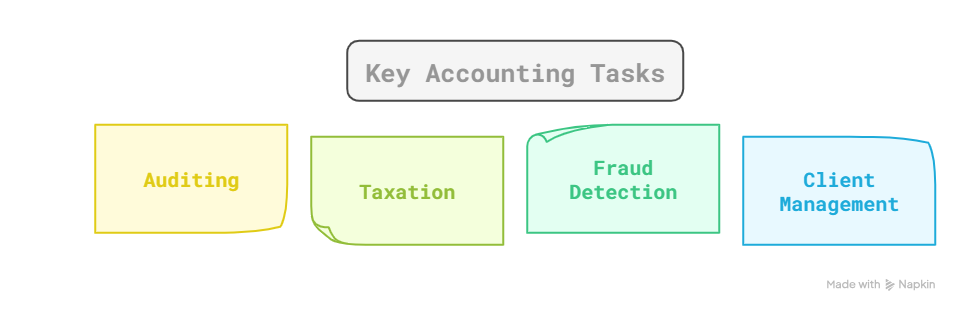
Auditing is one of the most significant areas in which Big Data makes an impact. Traditional auditing involves manually sampling a small set of transactions, which is time-consuming and error-prone. With Big Data, accountants can analyze entire datasets in real-time, providing a more accurate and thorough audit.
Benefits:
Tax planning and filing can be made more efficient with Big Data. By analyzing vast amounts of financial data, CAs can identify tax-saving opportunities, track tax liabilities, and ensure compliance with the latest tax laws.
Benefits:
Fraud prevention is another area where Big Data excels. By analyzing transaction data and identifying unusual patterns, CAs can detect fraudulent activities before they escalate.
Real-time monitoring helps businesses mitigate the risks associated with financial fraud.
Benefits:
Big Data allows CAs to understand their clients’ financial behaviors better. By analyzing spending patterns and historical data, accountants can offer personalized financial advice that aligns with the client’s goals, leading to stronger, more valuable client relationships.
Benefits:
To effectively leverage Big Data, Indian CAs need to choose the right tools that integrate seamlessly with their existing systems.
Some popular Big Data tools in the accounting industry include:
Integrating Big Data tools with existing accounting systems is essential for smooth operations. Indian CA firms may already be using tools like Tally, QuickBooks, or SAP. It's important to choose Big Data solutions that integrate seamlessly with these systems to avoid disruptions.
For Big Data to be effectively implemented, CA firms need to train their staff, especially apprentices, on how to use these tools. Offering training sessions, webinars, and certifications can help accountants enhance their data analytics skills and make the most of Big Data tools.
While Big Data offers numerous benefits, there are a few challenges that CAs in India must navigate.
With the increasing use of Big Data, data privacy and security are paramount. CAs need to ensure that they comply with the latest data protection laws, such as the GDPR and India’s data protection regulations.
The initial investment in Big Data tools can be substantial. However, the long-term benefits, such as improved efficiency, accuracy, and client satisfaction, make it a worthwhile investment. Indian CAs should evaluate the ROI before committing to these tools.
For Big Data to be effective, it is essential to use accurate and reliable data. CAs must ensure that their data sources are trustworthy, as poor-quality data can lead to erroneous conclusions and decisions.
Many traditional CA firms may resist adopting new technologies. Overcoming this resistance involves demonstrating the tangible benefits of Big Data, such as improved accuracy, efficiency, and the ability to offer more valuable services to clients.
The future of Big Data in accounting looks promising. With emerging technologies like machine learning, artificial intelligence, and blockchain set to enhance further data analysis, Indian CAs who adopt these technologies early will be ahead of the curve.
Big Data will continue to be integral in ensuring compliance, predicting market trends, and helping businesses make informed financial decisions.
As the accounting industry evolves, Indian CAs will need to embrace these innovations to remain competitive and offer exceptional services.
Big Data is not just a buzzword—it’s transforming the accounting landscape, offering Indian CAs powerful tools to enhance decision-making, optimize forecasting, and improve client management.
The benefits of adopting Big Data are clear: improved accuracy, increased efficiency, better risk management, and automated reporting.
Indian CAs that integrate big data into their practices will not only streamline their operations but also stay ahead of regulatory changes and offer more valuable insights to their clients.
If you’re ready to future-proof your accounting practice, start exploring Big Data tools today. Invest in training, choose the right tools, and integrate Big Data into your practice to experience the next level of accounting efficiency and success.


Tax Professional & Business Finance Expert
Tax Professional & Business Finance Expert

Tax Professional & Business Finance Expert