 Is Now Vyapar TaxOne | Same Trust, New Name!
 AI Weapon for Financial Soldiers



Artificial Intelligence (AI) has dramatically transformed various industries, but its journey has been far from smooth. Periods known as AI Winter have significantly affected the development and adoption of AI technologies. This blog delves into AI Winter and its impact on the slow adoption of automation in the accounting industry.
Understanding AI Winter
AI Winter refers to periods when enthusiasm and funding for AI research significantly decrease. These periods are characterized by:
AI Winters often follow periods of high expectations and hype, where anticipated breakthroughs fail to materialize.
The first AI Winter occurred in the 1970s. Early AI research had generated great excitement, but the technology of the time was not advanced enough to meet expectations. The limited computational power and overly ambitious goals led to disillusionment, causing a significant reduction in funding and interest.
A second AI Winter took place in the late 1980s and early 1990s. This period followed the rise of expert systems, which promised to revolutionize various fields, including accounting. However, the limitations of these systems became apparent, and commercial interest decreased. As a result, funding for AI research again declined, and progress stalled.
The accounting industry, like many others, faced significant challenges during AI Winter. The early promises of AI, such as automated bookkeeping and intelligent financial analysis, were not realized, leading to skepticism and slow adoption.
During AI Winter, the decrease in funding for AI research affected the development of AI-driven accounting solutions. With fewer resources available, progress in creating and implementing automation tools slowed down. This lack of investment hindered the potential for innovation in the accounting field.
Early AI technologies were not sophisticated enough to handle the complex and precise tasks required in accounting. The technology needed to process large volumes of financial data, identify patterns, and make accurate predictions was still in its infancy. These limitations contributed to the slow adoption of AI in the accounting industry.
The unmet expectations during AI Winter led to skepticism among accounting professionals. The traditional nature of the industry made it resistant to change, and the early failures of AI technology reinforced this reluctance. As a result, many firms were hesitant to invest in AI-driven solutions, preferring to stick with tried-and-true methods.
Also Read: It's High Time to Change Your Accounting Practices with AI
Accountants and firms were initially resistant to adopting AI and automation. The traditional nature of the industry made it difficult to embrace new technologies quickly. This resistance was compounded by the skepticism generated during AI Winter.
The adoption of AI in accounting also required a skilled workforce familiar with both accounting principles and AI technology. During AI Winter, the gap between these skill sets widened, making it challenging to find professionals who could bridge the two fields.
Integrating AI into existing accounting systems was another significant hurdle. Legacy systems were not designed to accommodate advanced AI technologies. This made the integration process complex and time-consuming.
To overcome the residual skepticism from AI Winter, it is crucial to build trust in AI technology. Demonstrating the effectiveness and reliability of AI tools through case studies and real-world applications can help.
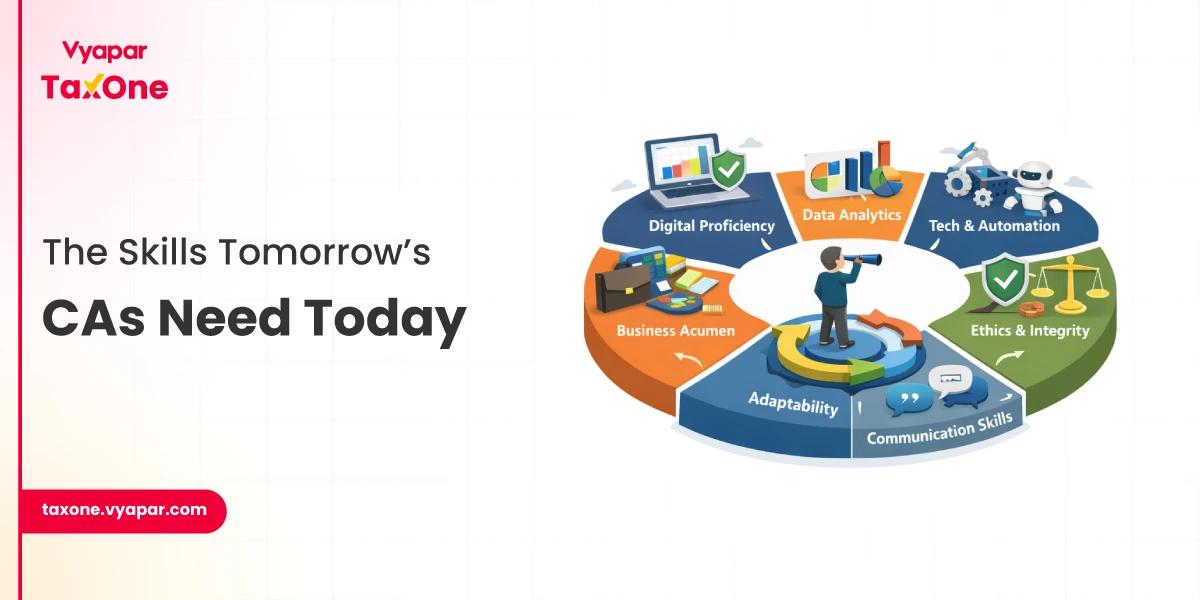
Investing in training and skill development is essential. Accountants need to be equipped with the knowledge and skills to use AI tools effectively. This can be achieved through continuous education and professional development programs.
Collaboration between AI and accounting experts can drive further advancements. By working together, they can develop solutions that address the specific needs and challenges of the accounting industry.
The future of AI in accounting looks promising, with continuous innovation on the horizon. As technology evolves, we can expect even more sophisticated and efficient AI tools to emerge.
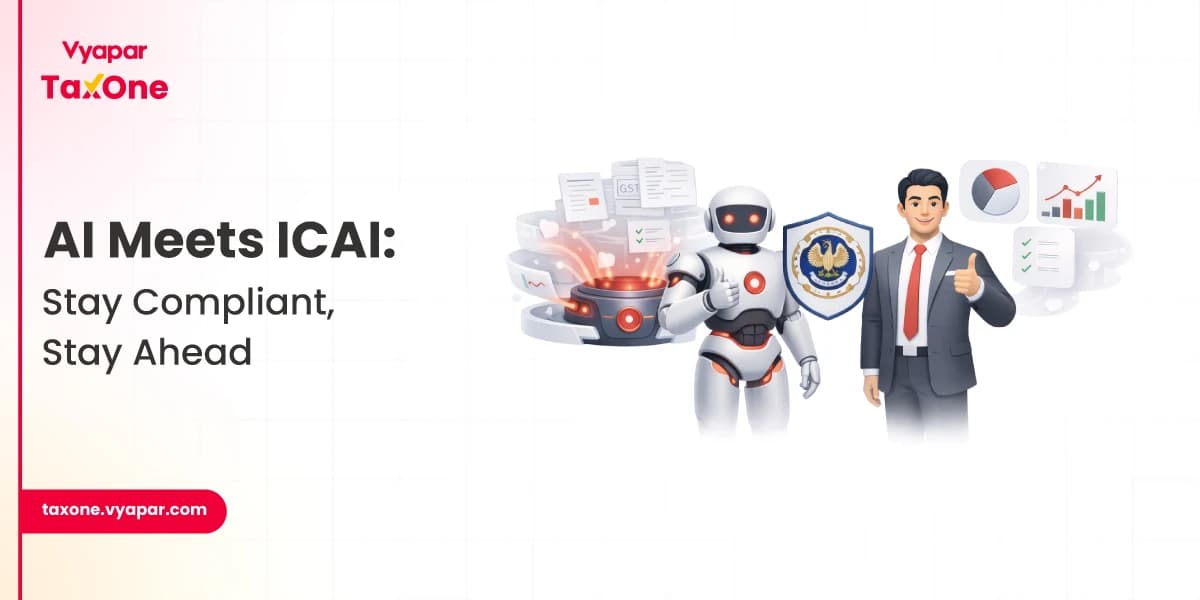
As AI becomes more integrated into accounting, ethical considerations will become increasingly important. With AI applications, it will be essential to guarantee accountability, equity, and transparency.
To fully benefit from AI advancements, the accounting industry must embrace change. This involves being open to new technologies and adapting to evolving trends.
Also Read: AI Forecasting in the Accounting Industry
The journey of AI in accounting has been marked by periods of slow progress and rapid advancements. AI Winter brought challenges that hindered the adoption of automation in accounting. However, the emergence of AI Spring has brought renewed interest, investment, and technological advancements.
By building trust, investing in training, and fostering collaboration, the accounting industry can fully embrace the benefits of AI. The future holds great promise for AI-driven accounting solutions, paving the way for more efficient and effective practices.
By understanding the impact of AI Winter and AI Spring on the accounting industry, firms can better navigate the challenges and opportunities presented by these cycles. As we move forward, embracing AI technology will be key to staying competitive and driving innovation in accounting practices.
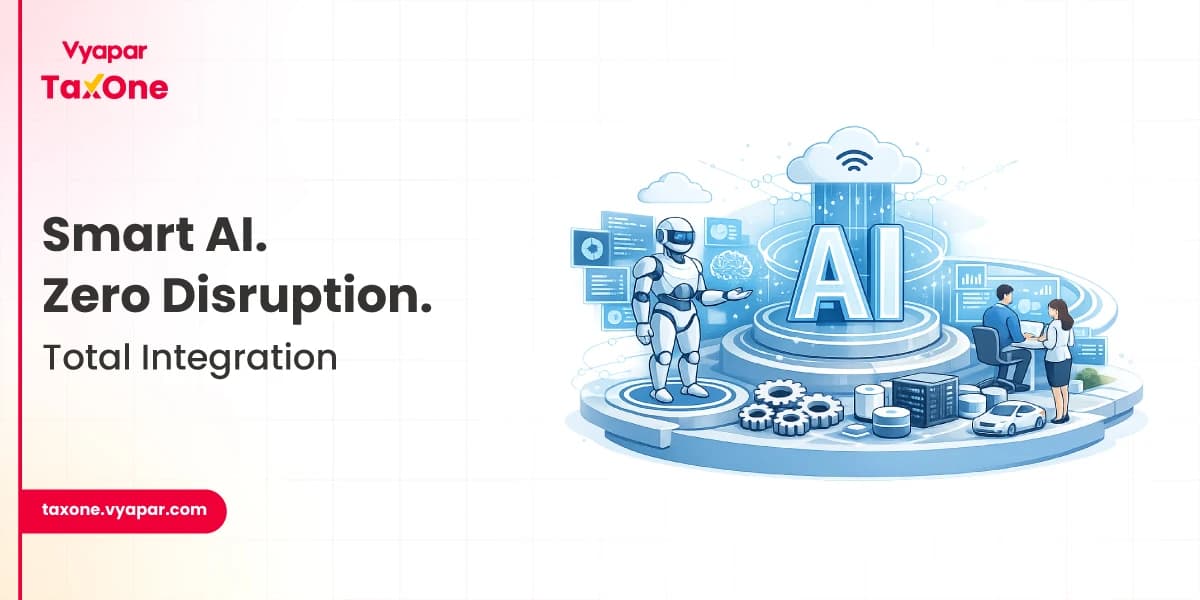
Despite the challenges posed by AI Winter, innovative solutions like Vyapar TaxOne are changing the game in the accounting industry. Vyapar TaxOne leverages advanced AI technologies to streamline and automate various accounting processes. By offering solutions such as automated bookkeeping, real-time financial analysis, and intelligent client management, Vyapar TaxOne helps accounting firms save time and reduce errors.
Its ability to process large volumes of financial data quickly and accurately is transforming traditional accounting practices. Vyapar TaxOne's user-friendly interface and seamless integration with existing systems make it accessible and valuable for firms of all sizes.
As a result, Vyapar TaxOne not only enhances efficiency but also empowers accountants to focus on more strategic and value-added tasks, thus overcoming the hurdles of AI Winter and leading the way toward a more automated future.
You can try Vyapar TaxOne here for free for a week! Also, you can book a demo from the website.



Get started today and simplify your accounting process!